
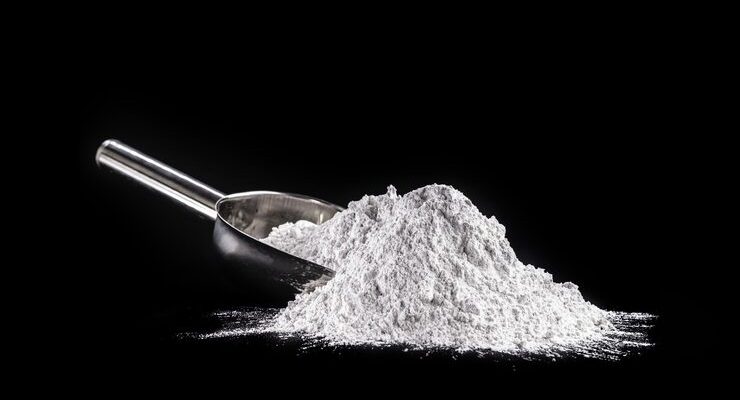
In the era of modern manufacturing, the need for versatile materials capable of enhancing product quality, durability, and performance has become crucial. Industrial zinc oxide uses is one such inorganic compound that plays a pivotal role across various industrial sectors. This white powdered compound possesses unique physical and chemical properties, making it an essential raw material in the production of coatings, ceramics, and a wide range of modern chemical formulations.
The Vital Role of Industrial Zinc Oxide
In the paint and coatings industry, industrial zinc oxide serves as both a functional pigment and a protective agent. It possesses excellent ultraviolet (UV) light-absorbing capabilities, thereby protecting painted surfaces from corrosion, degradation, and color fading caused by sunlight exposure.
Its natural anti-fungal and anti-bacterial properties extend the lifespan of coatings, particularly in exterior applications and high-humidity environments. Additionally, it plays several other important roles:
Enhancing Ceramic Quality and Aesthetics
The ceramics and glass industries also rely heavily on this product. In ceramic glaze formulations, the compound acts as a fluxing agent, lowering the melting point and melt viscosity. The result is a ceramic product with a smoother surface, higher gloss, and elasticity that minimizes the risk of “crazing” (fine surface cracking). The addition of zinc oxide also helps lock in pigment colors, making them appear more vibrant and resistant to extreme temperature fluctuations.
A Key Raw Material for Modern Chemicals and Rubber
Equally important, industrial zinc oxide is a cornerstone of the chemical and rubber processing industries. In the manufacture of tires and technical rubber products, the compound acts as an activator during the vulcanization process. This process enhances the rubber’s mechanical strength and elasticity, as well as its resistance to friction and heat. Beyond the rubber industry, zinc oxide serves as a catalyst in chemical synthesis and is used in the production of zinc soaps, as well as a key component in manufacturing micronutrient fertilizers for the agricultural sector.
Industrial zinc oxide has proven to be a key contributor to the advancement of the global manufacturing sector. From extending the lifespan of protective coatings and enhancing the aesthetic appeal of ceramics to optimizing performance in the rubber and chemical industries, this material remains an indispensable solution.